10 Best Things to Do in Rome: Your 2026 Travel Guide
The best things to do in Rome involve a mix of visiting ancient landmarks like the Colosseum and Pantheon, exploring the Vatican Museums, and indulging in authentic Italian cuisine in the Trastevere district. For a complete experience, tourists should prioritize historical sights, world-class espresso at local cafes, and vibrant evening walks.
Welcome to the Eternal City, where the history is older than your grandad’s favorite cardigan and the pasta is basically a religious experience. If you’re in your 20s and looking for a destination that balances "Instagrammable" views with actual substance, Rome is your playground. At AtoZ Travel, we’ve seen every corner of this city, and we’re here to make sure you don’t spend your entire trip stuck in a tourist trap that serves microwave lasagna.
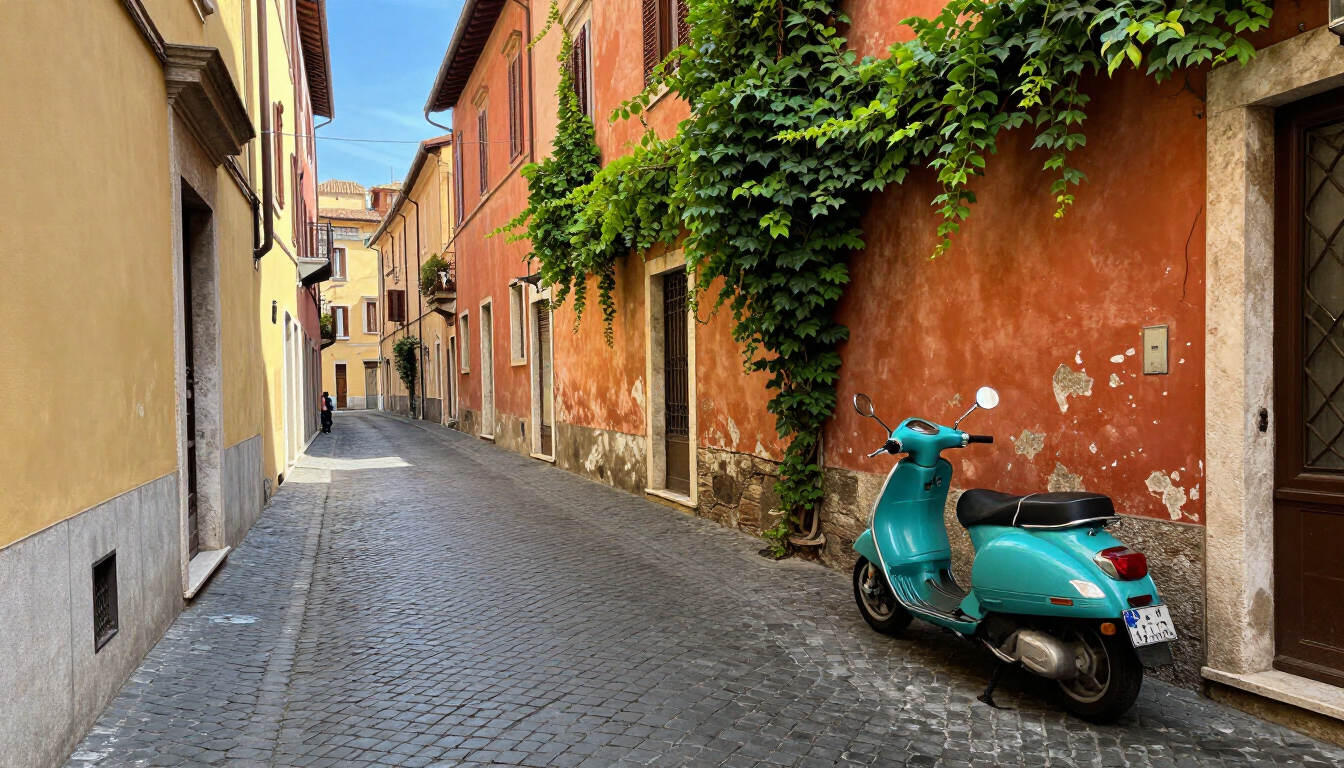
From the cobblestone streets of Trastevere to the soaring height of the dome of St. Peter’s, Rome is a city that demands your attention—and your appetite. Whether you are planning Cultural Holidays or just a quick weekend getaway, here is your definitive guide to conquering Rome like a modern-day emperor.
What are the must-see tourist attractions in Rome?
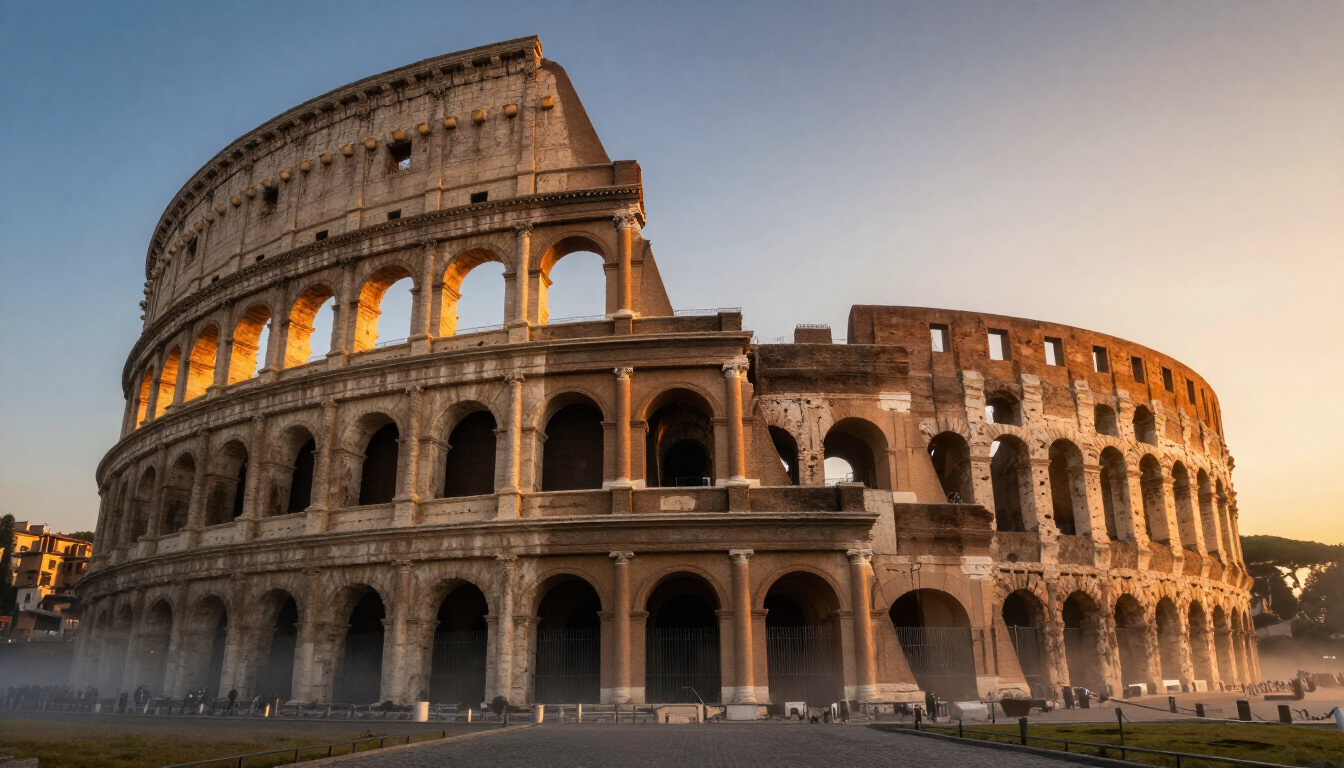
When people talk about the top things to do in Rome , the conversation usually starts and ends with the classics. However, there’s a reason these spots are iconic. You cannot visit Rome without stepping foot in the Colosseum . This massive amphitheater is a testament to Roman engineering and a slightly terrifying reminder of what passed for entertainment in 80 AD. To make the most of it, book an underground tour so you can see where the gladiators—and the lions—waited for their turn in the spotlight.
Just a stone's throw away is the Roman Forum and Palatine Hill . Think of this as the original downtown. It’s where Julius Caesar hung out, and where the most important political decisions of the ancient world were made. It’s a bit of a sprawl, so wear comfortable shoes. If you’re looking for the best vantage point for photos, head to the top of Palatine Hill for a panoramic view of the ruins against the modern skyline.
Finally, the Vatican Museums and the Sistine Chapel are non-negotiable. Even if you aren't particularly religious, the sheer scale of the art collection—culminating in Michelangelo’s ceiling—is enough to make anyone’s jaw drop. Pro tip: The crowds are no joke. Book the earliest possible time slot or a night tour to avoid being herded like cattle.
Essential Landmarks for Your First Visit
Beyond the heavy hitters, Rome is filled with architectural wonders that are completely free to see. The Pantheon is perhaps the most impressive. Built nearly 2,000 years ago, it still boasts the world’s largest unreinforced concrete dome. Standing under the oculus (the hole in the roof) while it rains is a bucket-list experience that doesn't cost a dime.
Then there is the Trevi Fountain . You’ve seen it in every movie ever made about Italy, but nothing prepares you for the scale of it in person. The tradition is to throw a coin over your left shoulder with your right hand to ensure a return trip to Rome. Does it work? Well, the city collects over a million euros from the fountain every year, so at the very least, you're contributing to a good cause. Just try to go after midnight or at the crack of dawn if you want a photo without 400 other people in the background.
Don't forget the Spanish Steps . While you aren't allowed to sit on them anymore (thanks to new regulations to preserve the stone), they remain a great spot for people-watching and a gateway to some of the city’s high-end shopping districts. If you’re looking for a bit of nature, the Villa Borghese gardens offer a much-needed break from the city’s frantic energy.
Where can you find the best pasta in Rome?
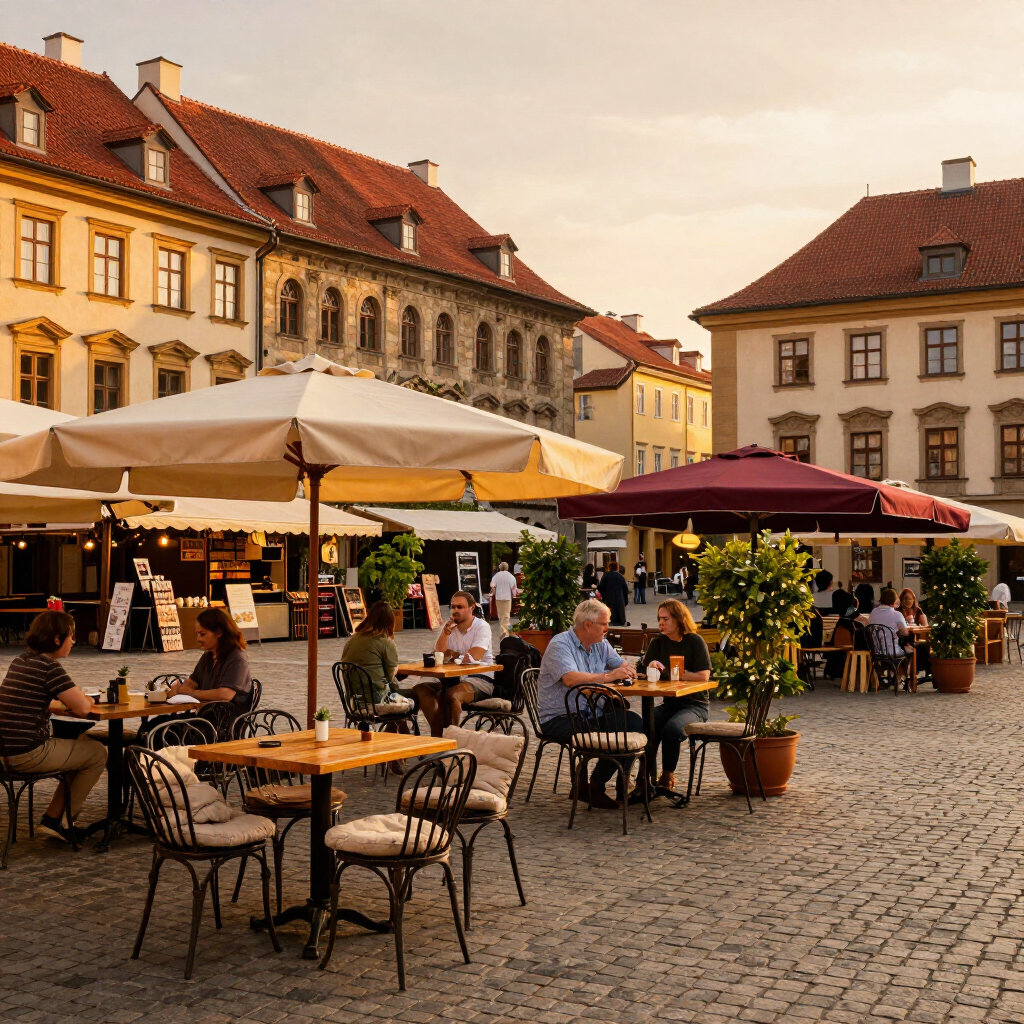
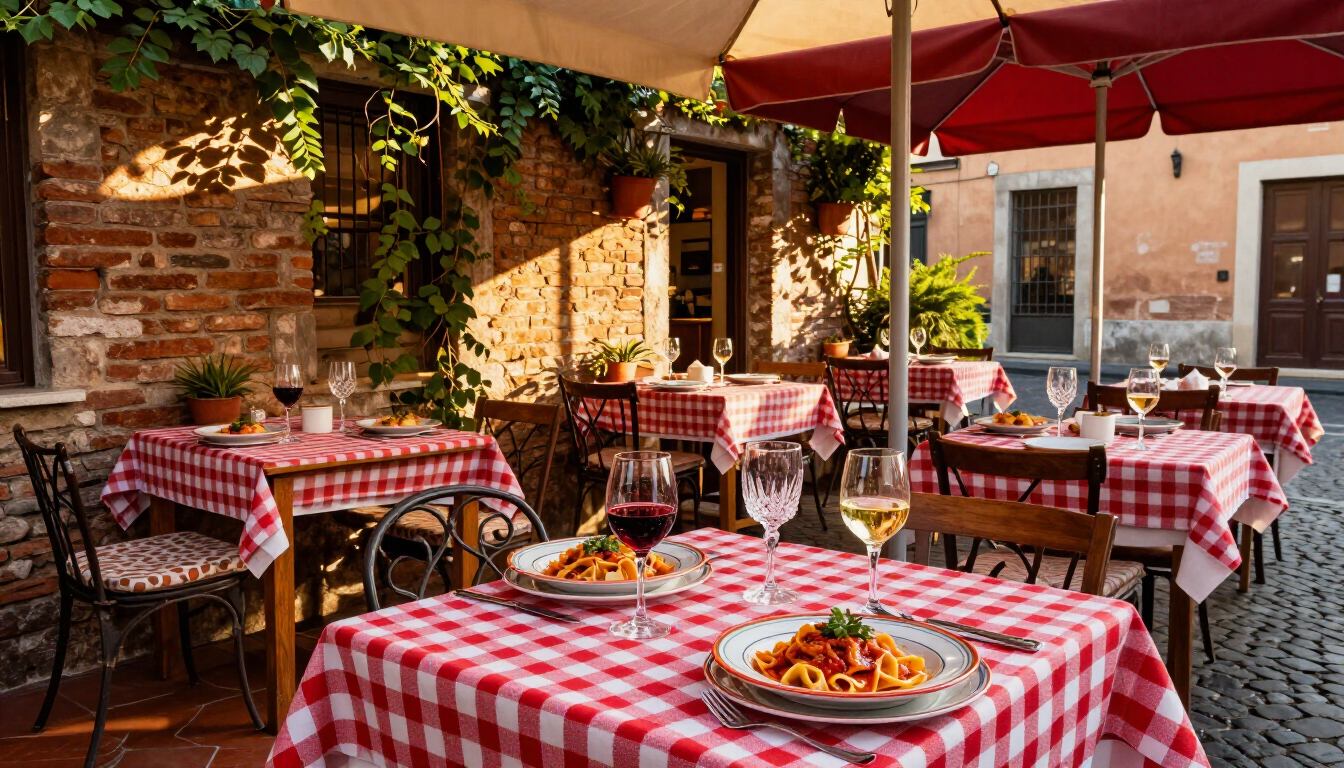
Let’s get to the real reason we’re all here: the food. Roman cuisine is famously simple but incredibly flavorful, relying on high-quality local ingredients. If you want the authentic vibe, head across the river to Trastevere . This neighborhood is the heart of Rome’s social scene for locals and savvy travelers alike.
For the best carbonara of your life, try Tonnarello or Da Enzo al 29 . Be prepared to wait in line, but trust us, the creamy, peppery goodness is worth every minute. Roman pasta usually falls into four main categories:
- Cacio e Pepe : Pecorino cheese and black pepper.
- Carbonara : Egg, pecorino, guanciale (pork cheek), and pepper.
- Amatriciana : Tomato, guanciale, and pecorino.
- Gricia : The "white" amatriciana (no tomato).
If you want a more upscale experience, Roscioli Salumeria con Cucina is a legend. Part deli, part restaurant, it offers some of the finest cured meats and cheeses in the country. Their carbonara is often cited as the best in the world. Make sure to book weeks in advance, as getting a table here is harder than getting into a secret Berlin techno club. For those exploring more Destinations in Italy, you'll find that Rome’s food culture is uniquely bold and unpretentious.
Hip Cafes and the Best Espresso Spots
Coffee in Rome is not just a morning ritual; it’s a lifestyle. However, there are rules. Do not, under any circumstances, order a cappuccino after 11:00 AM unless you want to be judged by every Italian within a three-mile radius. In Rome, milk is for breakfast. After that, it’s strictly espresso or caffè macchiato .
For the best brew in the city, head to Sant' Eustachio Il Caffè . They have been roasting their own beans over wood since the 1930s. Their signature drink is the Gran Caffè , which is incredibly frothy and sweet. Another classic is La Casa del Caffè Tazza d'Oro , located right next to the Pantheon. Their granita di caffè (shaved coffee ice with whipped cream) is the ultimate cure for a hot Roman afternoon.
If you need a spot to sit with your laptop (though we recommend putting it away), look for modern specialty coffee shops like Faro - Luminari del Caffè . They are part of the new wave of coffee culture in Italy, focusing on single-origin beans and various brewing methods that go beyond the traditional quick shot at the bar.
How do I get around Rome easily?
Navigating Rome can feel like an Olympic sport, but it’s manageable once you know the tricks. The city center is surprisingly walkable, and most of the major tourist attractions are within a 20-30 minute walk of each other. In fact, walking is the best way to discover the hidden piazzas and tiny churches that make Rome so special.
For longer distances, the Rome Metro is efficient, though it only has three lines (A, B, and C). It’s perfect for getting to the Vatican or the Colosseum if you’re staying further out. Be wary of buses; the Roman bus system is notoriously unpredictable. Google Maps is generally reliable, but don’t be surprised if your bus just... never shows up. It’s part of the "charms" of the city.
If you’re arriving from the airport, the Leonardo Express train is the fastest way to get from Fiumicino to Termini Station. From there, you can easily reach your Hotels . Taxis are available, but always ensure they use the meter or agree on the fixed city-to-airport rate before you get in. For a more adventurous route, you can rent a Vespa, but only if you have a death wish or incredible reflexes—Roman traffic is legendary for its chaos.
Hidden Gems for the Modern Explorer
Once you’ve checked off the Colosseum and the Vatican, it’s time to see the Rome that most tourists miss. One of our favorite spots is the Aventine Keyhole . Located on the Aventine Hill, there is a nondescript green door. If you peek through the keyhole, you get a perfectly framed view of St. Peter’s Dome through a tunnel of manicured hedges. It’s a literal "secret" view that is perfect for a quiet moment.
Another must-visit is the Quartiere Coppedè . This neighborhood is a bizarre and beautiful mix of Art Nouveau, Baroque, and Medieval architecture. It looks like something straight out of a fairy tale or a Wes Anderson movie. It’s tucked away from the main tourist hubs, providing a peaceful break from the crowds.
If you’re into the alternative scene, spend an evening in San Lorenzo or Pigneto . These are the student districts, filled with street art, craft beer bars, and cheap (but delicious) pizza. It’s where you’ll find the 20-somethings of Rome hanging out on a Friday night, away from the polished piazzas of the historic center.
Booking Your Roman Holiday
Our team is dedicated to providing a structured, end-to-end experience. Whether you are looking for Holidays that focus on history or you want a custom itinerary that hits all the best foodie spots, we’ve got you covered. You can learn more about our mission on our About page. Rome is a city that never stops giving, and with the right plan, your 2026 trip will be one for the history books.
Core Takeaways for Your Rome Trip
- Book Early : The Colosseum and Vatican require advanced tickets; don't wait until you arrive.
- Eat in Trastevere : For the most authentic and affordable Roman pasta dishes.
- Stay Hydrated : Use the nasoni (public fountains) to refill your water bottle for free.
- Walk More : Rome’s best secrets are found in the alleys between the major landmarks.
- Respect the Coffee : No milk in your coffee after lunch if you want to blend in like a local.